Finca de Raixa
Summary
Lorem ipsum dolor sit amet, consectetur adipiscing elit. Integer hendrerit et arcu eu sodales. Aliquam ultricies pretium posuere. Aenean vitae sem malesuada, auctor nisi nec, eleifend lorem.
Raixa: A Living Heritage in the Heart of Mallorca
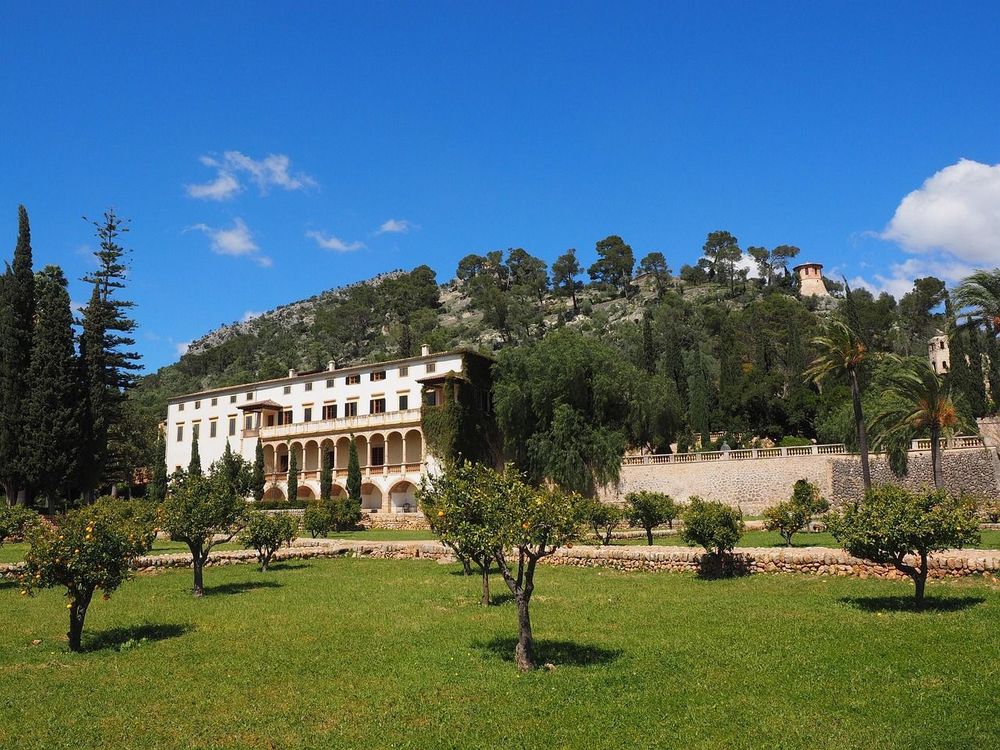
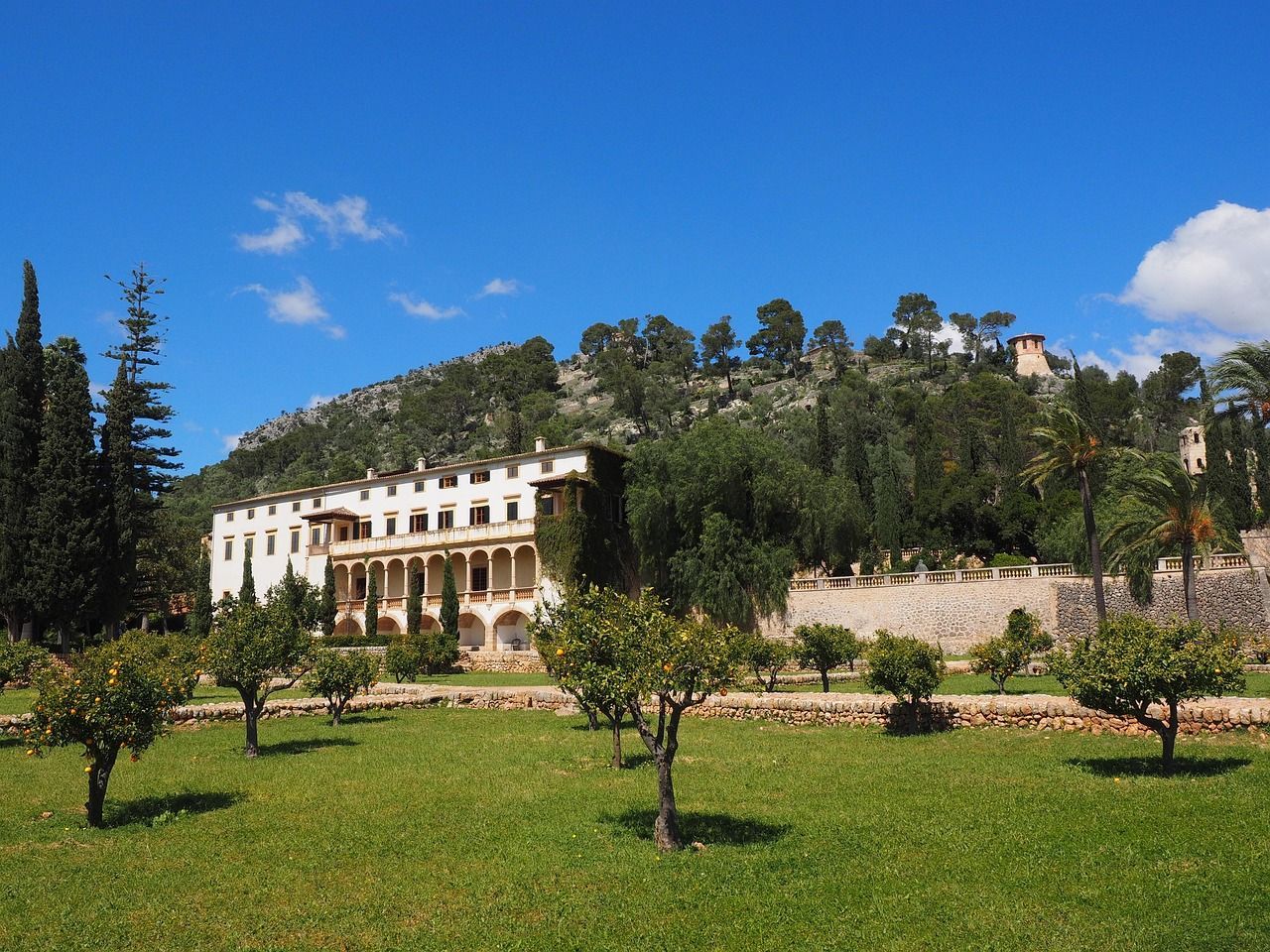
Nestled between Bunyola and the Tramuntana mountains, Raixa is one of Mallorca’s most emblematic estates — a place where architecture, landscape, and history intertwine to reveal centuries of transformation. Declared a Cultural Interest Site (BIC), Raixa today stands as both a symbol of the island’s agricultural past and a model of cultural preservation.
From Arab Roots to Renaissance Ambitions
The origins of Raixa date back to the Islamic period (10th–13th centuries), when the estate was first developed as a rafal — a rural farming property with irrigation systems that harnessed the natural springs of the Tramuntana. After the Catalan conquest in 1229, the land passed into noble hands and began to evolve into a Mallorcan possession, combining agricultural production with stately residence.
During the Renaissance and Baroque periods, Raixa expanded its architecture and gardens, reflecting the changing tastes and social aspirations of its owners. By the 18th century, the estate had become one of the most refined country houses (possessions) on the island.
The Cardinal’s Vision: Raixa Reimagined
The estate’s golden age came under Cardinal Antoni Despuig i Dameto (1745–1813), a humanist and collector who transformed Raixa into a space of art, culture, and landscape design. Influenced by his travels in Italy, Despuig restructured the house in a neoclassical style, enriched its gardens with Italianate terraces, sculptures, and fountains, and created a small museum of antiquities within the estate.
This transformation turned Raixa into a cultural enclave — a place of philosophical reflection and aesthetic contemplation inspired by Enlightenment ideals.
Decline and Rediscovery
Throughout the 19th and 20th centuries, Raixa suffered gradual decline. Ownership passed between heirs and private investors, and many of its collections were dispersed. Yet the estate’s architectural and natural beauty never faded completely from the Mallorcan imagination.
In 2002, Raixa was purchased by the Council of Mallorca and the Spanish Ministry for the Environment, initiating an ambitious process of restoration and public rehabilitation. The estate was reopened as a cultural and environmental interpretation center, reconnecting Raixa with the landscape and memory of the island.
Raixa Today
Today, Raixa stands as a living museum of Mallorca’s history, offering visitors a journey through time — from its Arab irrigation channels to its neoclassical gardens and panoramic views of the Serra de Tramuntana, a UNESCO World Heritage Site.
Open to the public, Raixa invites reflection on the relationship between culture, nature, and memory, embodying Mallorca’s commitment to preserving its heritage for future generations.